When a Convincing Caller is Really a Fraudster
Many people imagine a scammer as someone who makes an obviously suspicious request or delivers a poorly written message. In reality, today’s fraudsters can sound polished, informed, and remarkably convincing.
They may know the names of bank employees, company executives, family members, or business associates. They may reference accurate details found on websites, social media, professional directories, and public records. They may even manipulate caller ID, so the phone number appears familiar.
All this information is used to create one thing: trust.
Bank impersonation scams are a form of social engineering in which criminals impersonate financial professionals and persuade customers to reveal sensitive information, approve transactions, or transfer funds. Business impersonation and government impersonation scams are among the fraud schemes causing some of the greatest financial harm to Floridians, according to resources shared through the Florida Bankers Association.
Understanding how these scams work can help you recognize when a seemingly legitimate conversation is an attempt to access your accounts.
Why Bank Impersonation Scams Can Sound So Real
Fraudsters do not always begin by asking for money. They may first work to establish credibility and make the conversation feel routine.
Before contacting a potential victim, a criminal may research the individual, the person’s employer, or the financial institution involved. A bank’s website, for example, may publicly list executives, lending officers, branch leaders, and other employees. Social media can reveal professional relationships, recent purchases, travel plans, family connections, and significant life events.
The fraudster can then weave those accurate details into a believable story. The caller may claim to work with a banker the customer recognizes, reference an executive by name, or suggest that the call is connected to a real transaction.
Knowing those details does not prove that the caller is legitimate. It simply means the fraudster has done research.
What Your Bank Will Never Ask You to Share
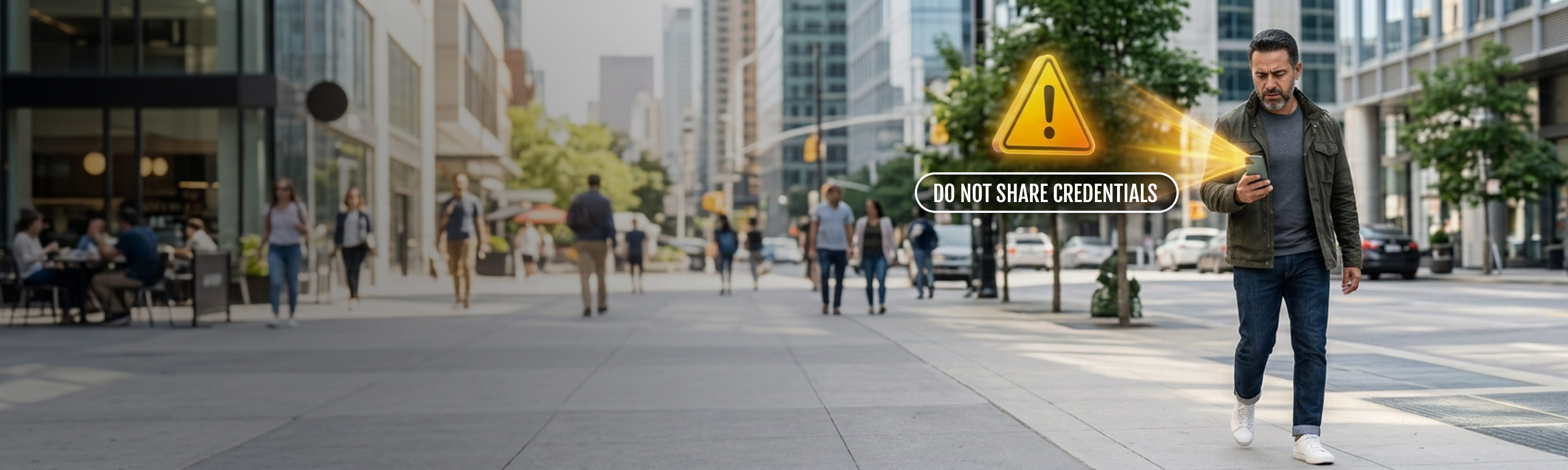
A bank may contact you to confirm suspicious account activity, ask whether you authorized a transaction, or discuss a service you requested. However, a legitimate bank representative will not call and ask you to disclose the credentials used to access online banking.
U.S. Century Bank will never call and ask for your:
- Online banking username
- Online banking password
- Full security or authentication code
- Complete debit card PIN
- Remote access to your computer or mobile device
A fraudster may claim that this information is needed to reverse a charge, secure the account, stop a wire, or confirm your identity. The requested information may give the criminal exactly what is needed to access the account.
Never assume a request is safe because the caller knows your name, your banker’s name, or another accurate detail.
Warning Signs of Bank Impersonation Scams
Bank impersonation scams can take different forms, but they often rely on similar tactics. Recognizing those patterns can help you pause before sensitive information or money is transferred.
Be cautious when a caller:
- Claims there is an urgent problem with your account
- Requests your username, password, or security code
- Pressures you to act before speaking with anyone else
- Insists that you remain on the phone while completing a transaction
- Tells you not to contact your usual banker
- Asks you to move money into a “safe,” “secure,” or “protected” account
- Becomes impatient or aggressive when you ask questions
- Sends a link and tells you to log in immediately
- Requests access to your computer or mobile device
Caller ID should not be treated as proof of identity. Technology can allow a criminal to make a call appear to come from a legitimate institution or a local phone number.
Stop the Conversation and Verify the Caller
You do not need to determine whether the caller is telling the truth while you are still on the phone. The safest response is to end the conversation and independently contact the bank.
Do not use a phone number, website link, or email address provided by the caller. Instead, use a trusted contact method, such as the number printed on your bank card, a phone number already saved in your records, or the contact information published on the bank’s official website.
Tell the bank representative what happened, including:
- The phone number that appeared on caller ID
- The name the caller used
- The information the caller appeared to know
- What the caller asked you to provide or complete
- Whether you clicked a link, shared information, or approved a transaction
A legitimate bank representative will understand why you chose to end the original call and verify the request.
What to Do After Sharing Sensitive Information
If you believe you may have shared login credentials or other sensitive information, contact the bank immediately. Acting quickly may help the bank secure the account, review recent activity, and determine what additional steps are needed.
You should also:
- Change affected passwords from a trusted device
- Avoid reusing a compromised password on other accounts
- Review account activity for unfamiliar transactions
- Preserve suspicious emails, text messages, and phone records
- Check whether contact information or account settings were changed
- Follow the bank’s instructions for securing your accounts
- Report the incident to the appropriate authorities
Do not allow embarrassment to delay your response. Fraudsters are trained to manipulate people, and reporting the incident quickly gives your financial institution the best opportunity to assist.
Familiar Information Is Not Proof of Identity
A convincing voice, accurate names, and professional terminology can make a fraudulent call feel legitimate. However, those details may have been gathered specifically to lower your defenses.
The most important rule is simple: Never provide your online banking username or password to an unexpected caller. When anything feels unusual, end the conversation and contact U.S. Century Bank directly through a trusted phone number.
Taking a moment to verify a request can prevent a persuasive story from becoming a costly transaction.